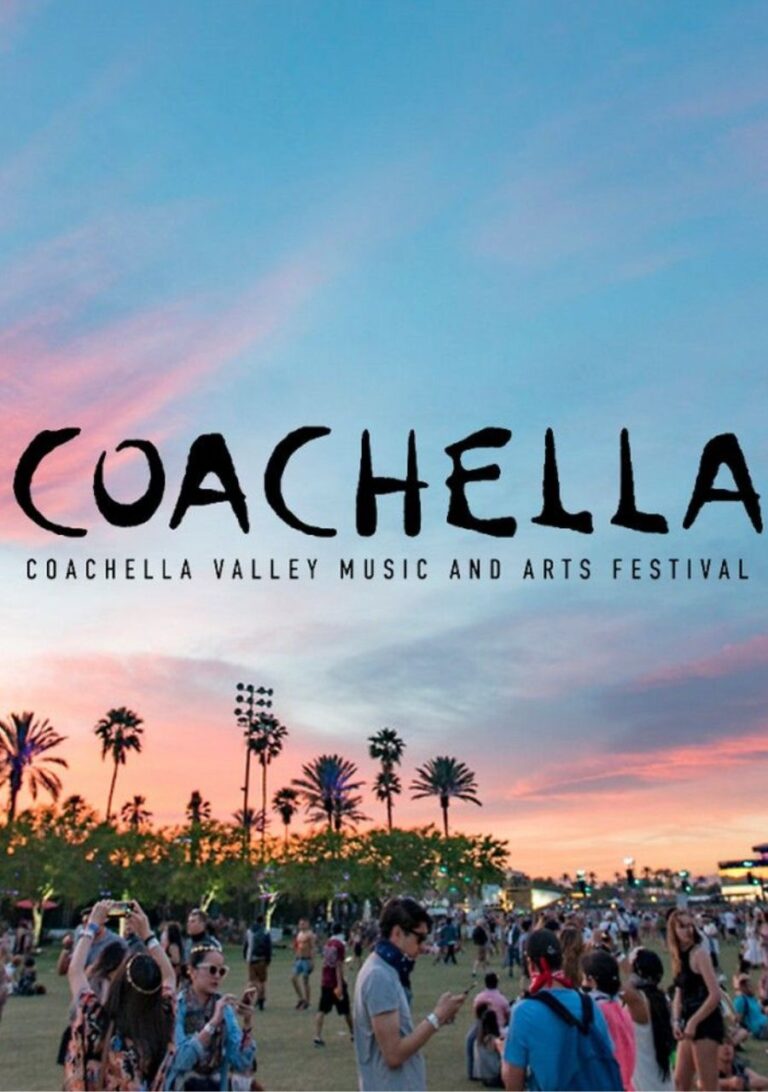
Coachella 2026 closed with resounding success at the Empire Polo Club in Indio, California, once again consolidating its position as the most iconic music and cultural festival in the world. Over two weekends, from April 10–12 and 17–19, more than 250,000 people experienced an immersive journey of music, art, fashion, and technology, broadcast live to millions of viewers worldwide via YouTube and other digital platforms. With an international lineup of stars, dazzling visual production, and a strong emphasis on sonic diversity, Coachella 2026 became a milestone in the year’s popular culture.
What is Coachella?
Coachella, formally the Coachella Valley Music and Arts Festival, is an annual music and arts festival held since 1999 at the Empire Polo Club in the Indio desert, California. A pioneer in combining top-tier concerts with contemporary art installations, gourmet food, and communal spaces, it has become a global reference not only for music but also for fashion trends and digital behavior. Organized by Goldenvoice —a subsidiary of AEG Live—, Coachella is known for its two consecutive weekend format with the same lineup, expanding its reach and allowing a global audience to experience it live, either in person or via streaming.
While Coachella has had defining years with historic performances by artists such as Beyoncé, Radiohead, Daft Punk, and Frank Ocean, the 2026 edition marked a turning point due to its emphasis on regional inclusion and genre diversity. After the pandemic and years of festival restructuring, 2026 arrived at a time when audiences sought both nostalgia and novelty, and the festival delivered a lineup that blended living legends, emerging stars, and Spanish-language music figures. Tickets sold out within days, ranging from US$549 for general admission to US$1,199 for VIP passes, showing that demand for the “full experience”—music, art, and lifestyle—continues to grow.
Dates, stages, and lineup
Coachella 2026 took place over two weekends: the first from Friday, April 10 to Sunday, April 12, and the second from Friday, April 17 to Sunday, April 19. The Empire Polo Club featured nine main stages: Coachella Stage, Outdoor Theatre, Mojave, Sahara, Gobi, Sonora, Yuma, Alpine, and the Heineken 003 tent, each with its own sonic and visual identity. Shows began around 11:30 a.m. and continued until midnight, with headliners performing on Friday, Saturday, and Sunday nights. For the first time, seven stages were streamed live on YouTube, three in 4K, allowing millions worldwide to follow the festival in real time.
The Coachella 2026 lineup featured a mix of mainstream pop, renowned rock, electronic music, and Spanish-speaking artists. Headliners included Sabrina Carpenter, Justin Bieber, and Karol G, the latter making history as the first solo Latina artist to headline the festival. Sabrina Carpenter opened Friday with an energetic set featuring hits like “Espresso” and “Please Please Please,” confirming her place as a leading figure in global pop. Saturday belonged to Justin Bieber, who delivered an emotional and nostalgic performance blending early hits with newer material and surprise collaborations.
Sunday closed with Karol G, who took the stage with a large-scale production, choreography, and a full band, joined by special guests Becky G and J Balvin. Other standout names included The Strokes, Interpol, The xx, Iggy Pop, Jack White, Nine Inch Nails, Addison Rae, Morat, David Guetta, Teddy Swims, and Anyma, offering something for every taste—from alternative rock and dark electronic music to Latin pop and dance.
Art, fashion, and visual experience
Coachella 2026 was not just a music festival but also a massive open-air museum. The Sahara Tent and surrounding areas featured contemporary art installations: light towers, interactive sculptures, massive projections, and color-changing walls. These became natural backdrops for photos and viral social media content. The festival also remains a global fashion benchmark: the “boho-chic” look—crop tops, hats, flowers, distressed jeans, and shorts—mixed with luxury pieces from brands like Revolve, NYLON, and Urban Outfitters.
Beyond the main venue, Coachella extended across the valley with official parties and side events such as Revolve Festival, Neon Carnival, NYLON House, and Desert Nights, featuring DJ sets, art performances, and networking spaces. These reinforced the idea of Coachella as a temporary “mini city” where music, fashion, business, and entertainment converge.
Economic, media, and cultural impact
Beyond music, Coachella 2026 generated significant economic impact locally and globally. Indio and Riverside County saw increases in hotel occupancy, dining, and local sales, while brands invested millions in sponsorships and experiences. On social media, #Coachella2026 trended worldwide, with millions of posts. Live streaming also reached record audiences, with millions watching simultaneously.
Coachella 2026 will be remembered for balancing nostalgia and innovation, blending rock, Latin pop, and electronic music while elevating emerging artists. Karol G’s presence symbolized the growing global influence of Spanish-language music, while legends like Iggy Pop and Nine Inch Nails added historical depth. Beyond numbers, the festival reaffirmed itself as a meeting space for fans, artists, and creators.
A success in the heart of the desert
With over 250,000 attendees, hundreds of performances, and global coverage, Coachella 2026 became one of the year’s most relevant cultural events. More than a festival, it was a micro-universe of sound, image, and culture, leaving a lasting impact on the entertainment industry and live experiences worldwide.